
UX/UI Design
From workshop to working website
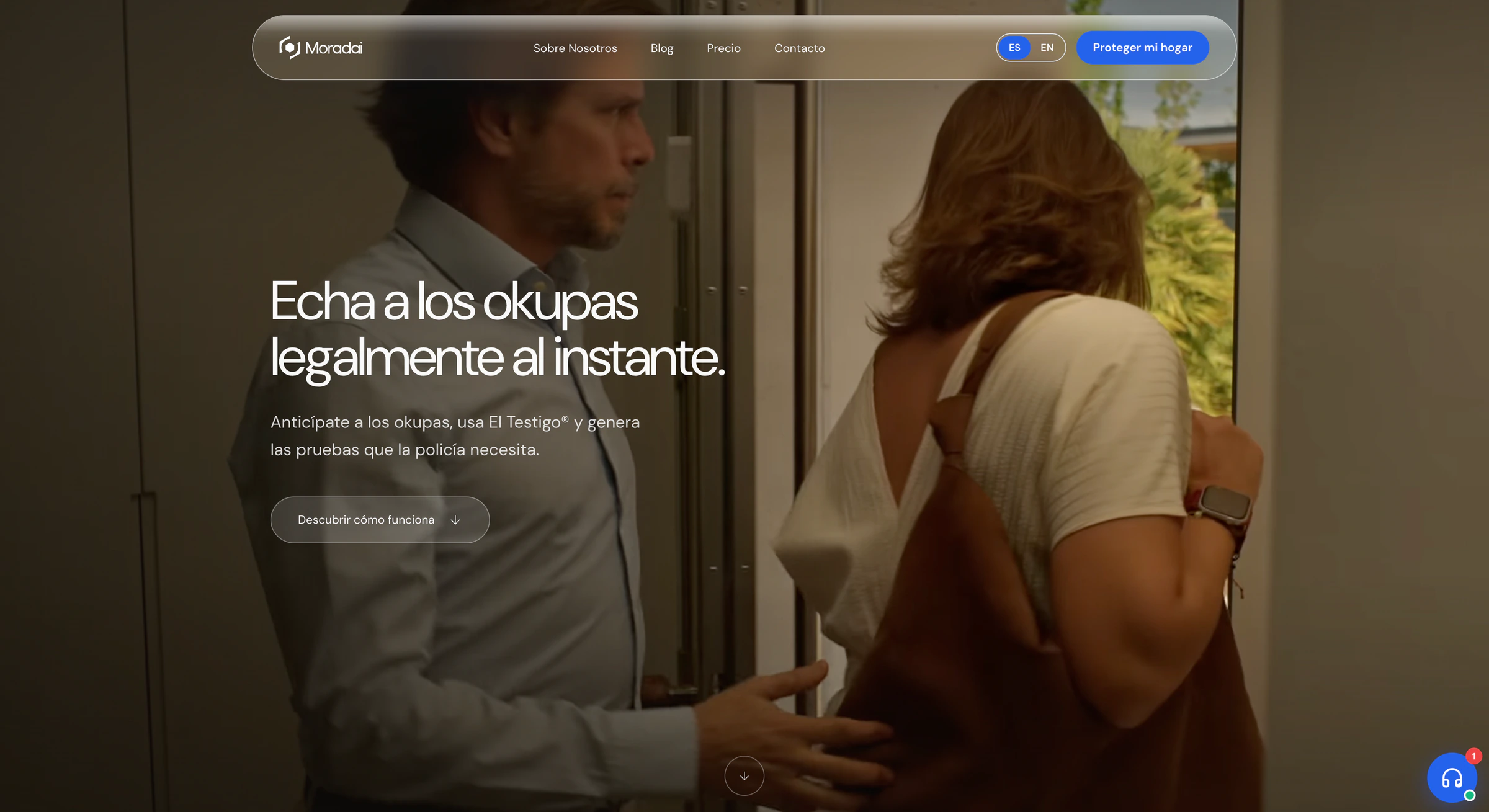
I designed and built Moradai’s marketing website as a solo freelancer, using its existing brand and an AI-assisted React workflow. I facilitated the workshop, structured the content and delivered the code repository. The client’s team integrated Stripe and published the site.
01 / 08Challenge
Rethinking the product story and path to purchase
Moradai already had a landing page and an established visual identity. The brief was to rethink how the website explained the product and guided visitors towards purchase. I worked within the existing brand, connecting product information, supporting content and the commercial journey.
02 / 08Interactive workshop
An interactive workshop with the client
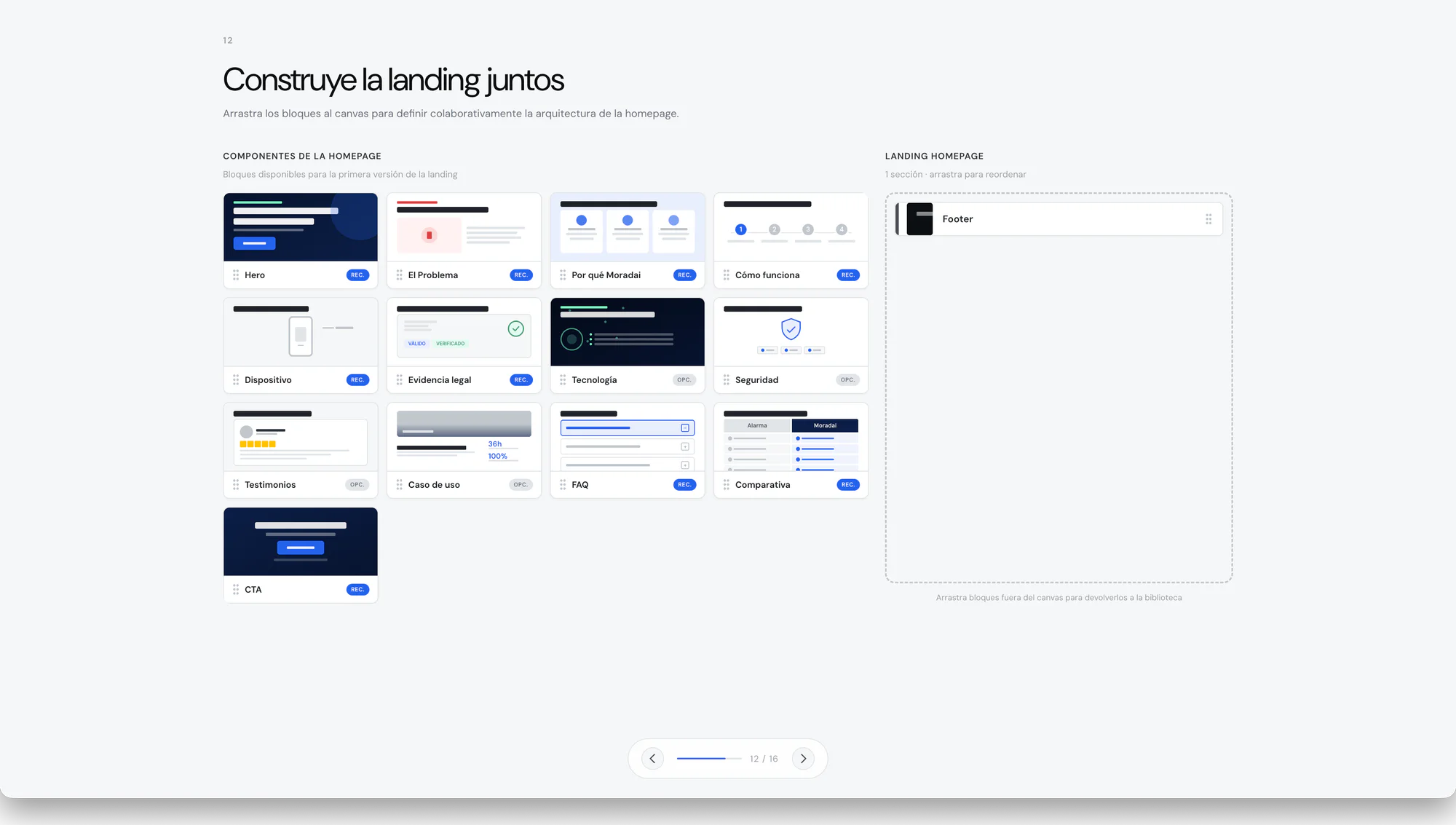
I created an interactive Figma Slides workshop and facilitated it remotely with Moradai’s product director. During screen sharing, the client arranged content blocks into a preferred landing structure. We discussed the order together, using the exercise to make the content decisions concrete.
03 / 08Narrative architecture
Turning the discussion into a narrative architecture
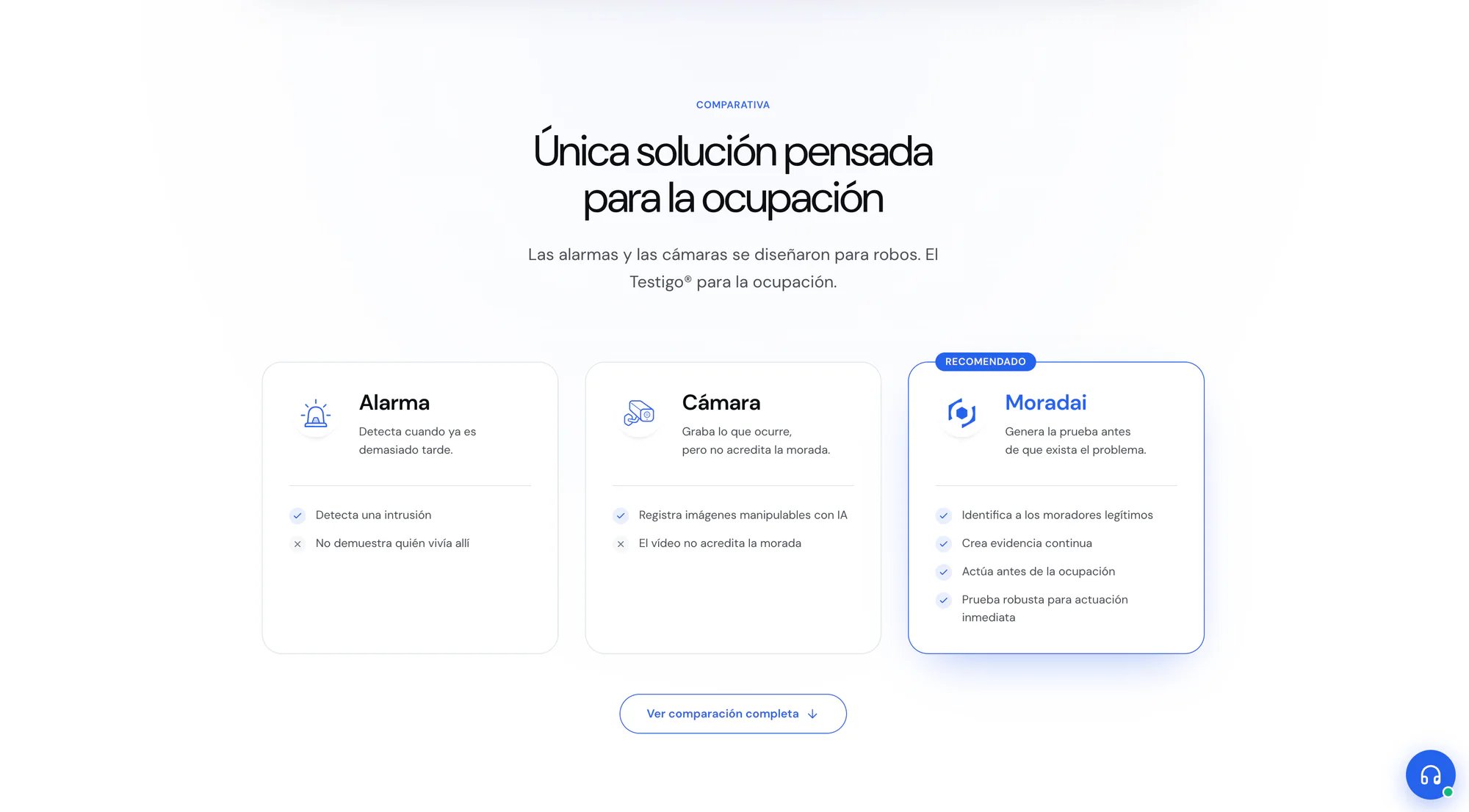
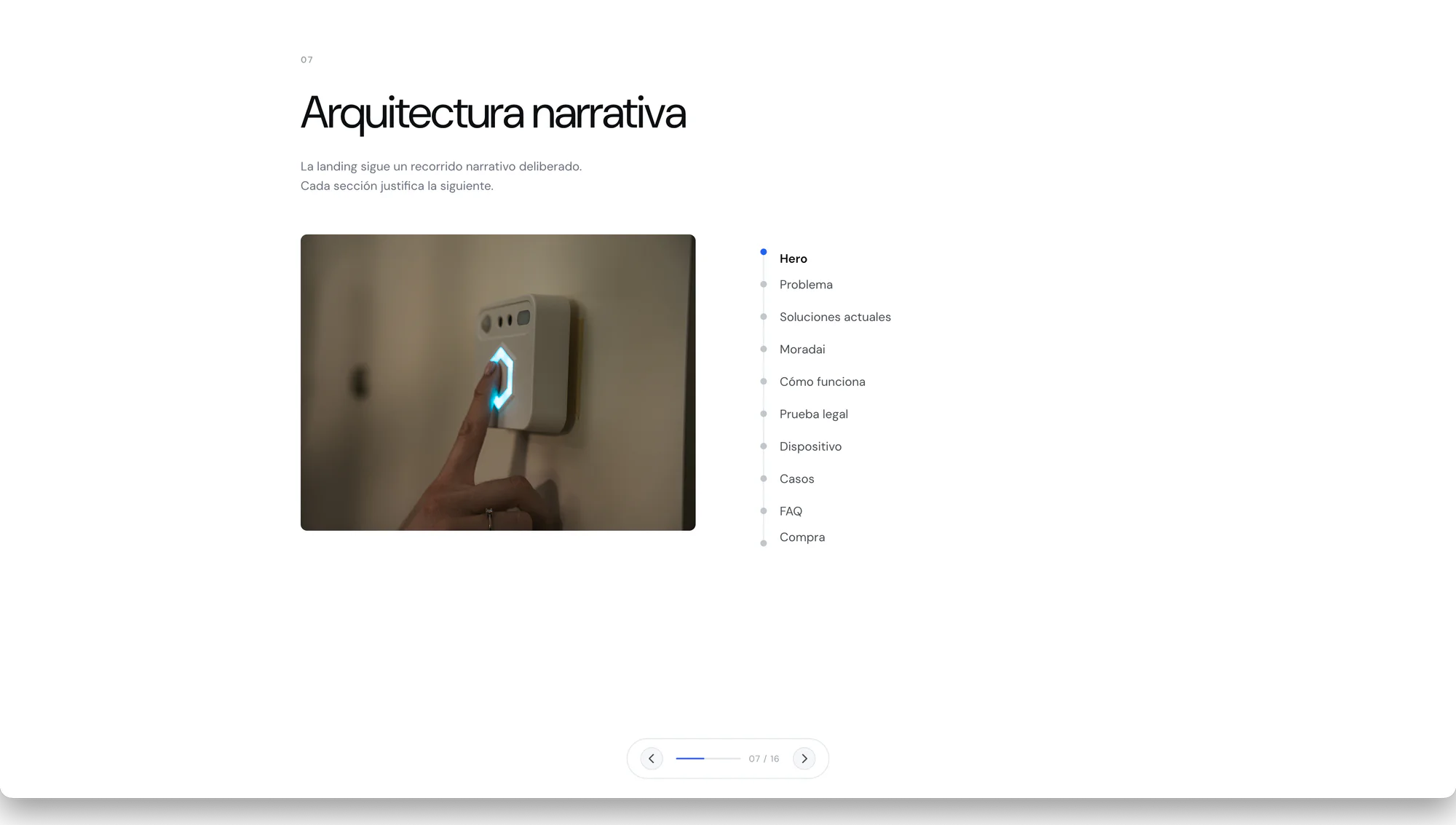
I used the workshop discussion to shape a narrative connecting the problem, Moradai’s proposed solution, how it works and the path to purchase. This structure guided the relationship between explanation, product information and supporting content across the website.
04 / 08Design references
Design references prepared for implementation
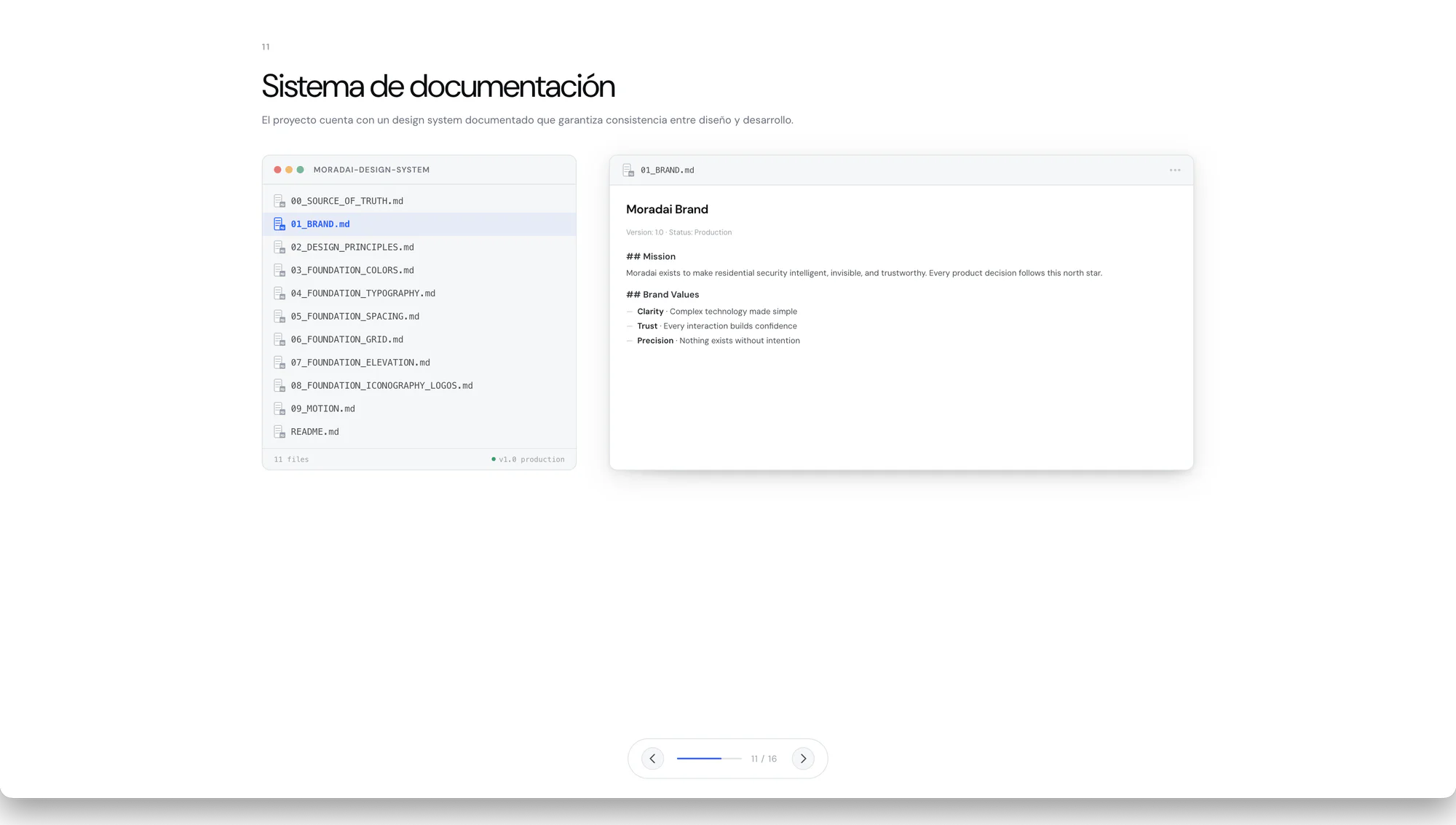
Moradai supplied its branding and existing design resources. I organised these inputs, Figma exports and screenshots into Markdown references for Codex, covering the brand and visual foundations. The documentation gave the implementation a shared reference based on the client’s materials.
05 / 08Design to Code
Design decisions translated into working React modules
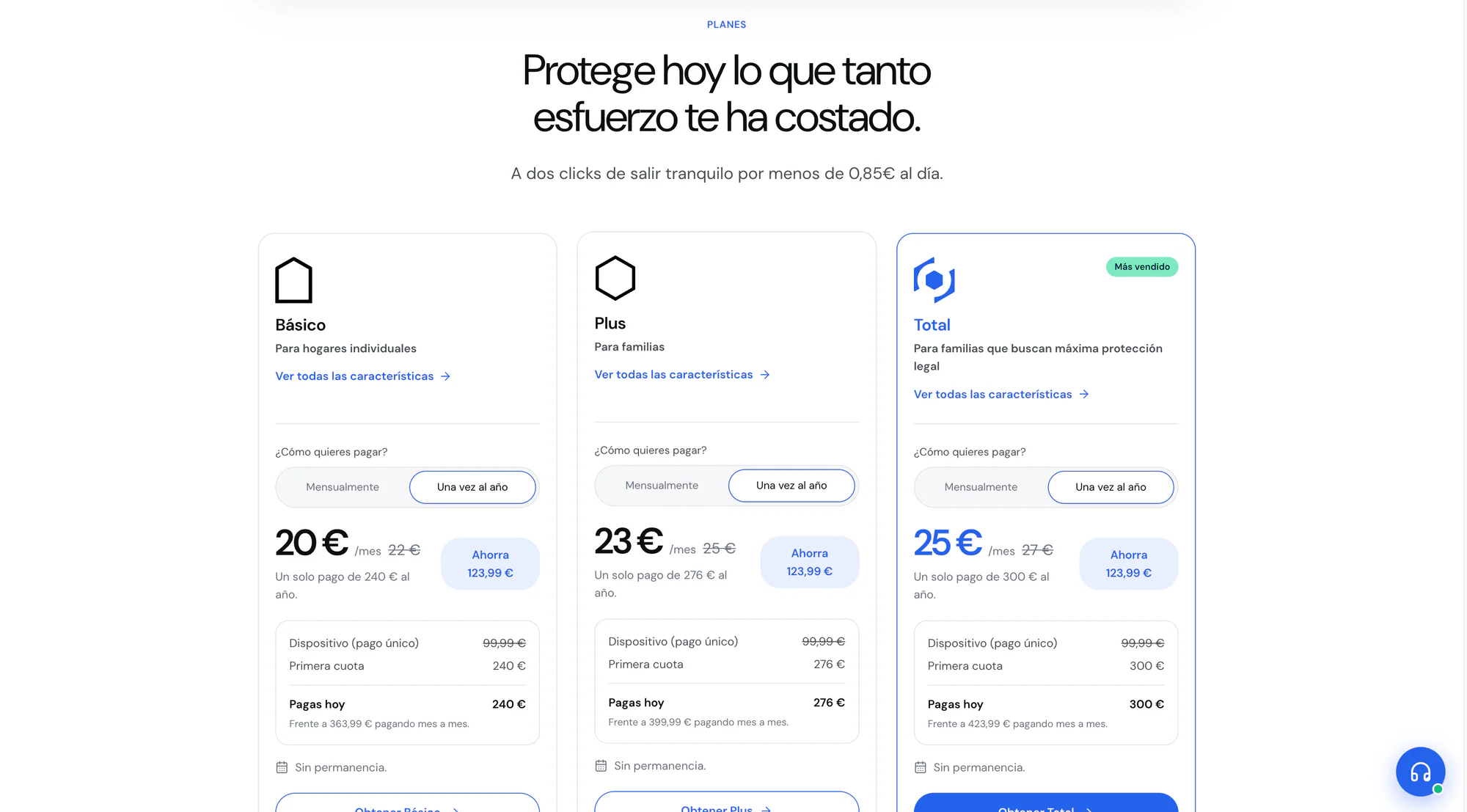
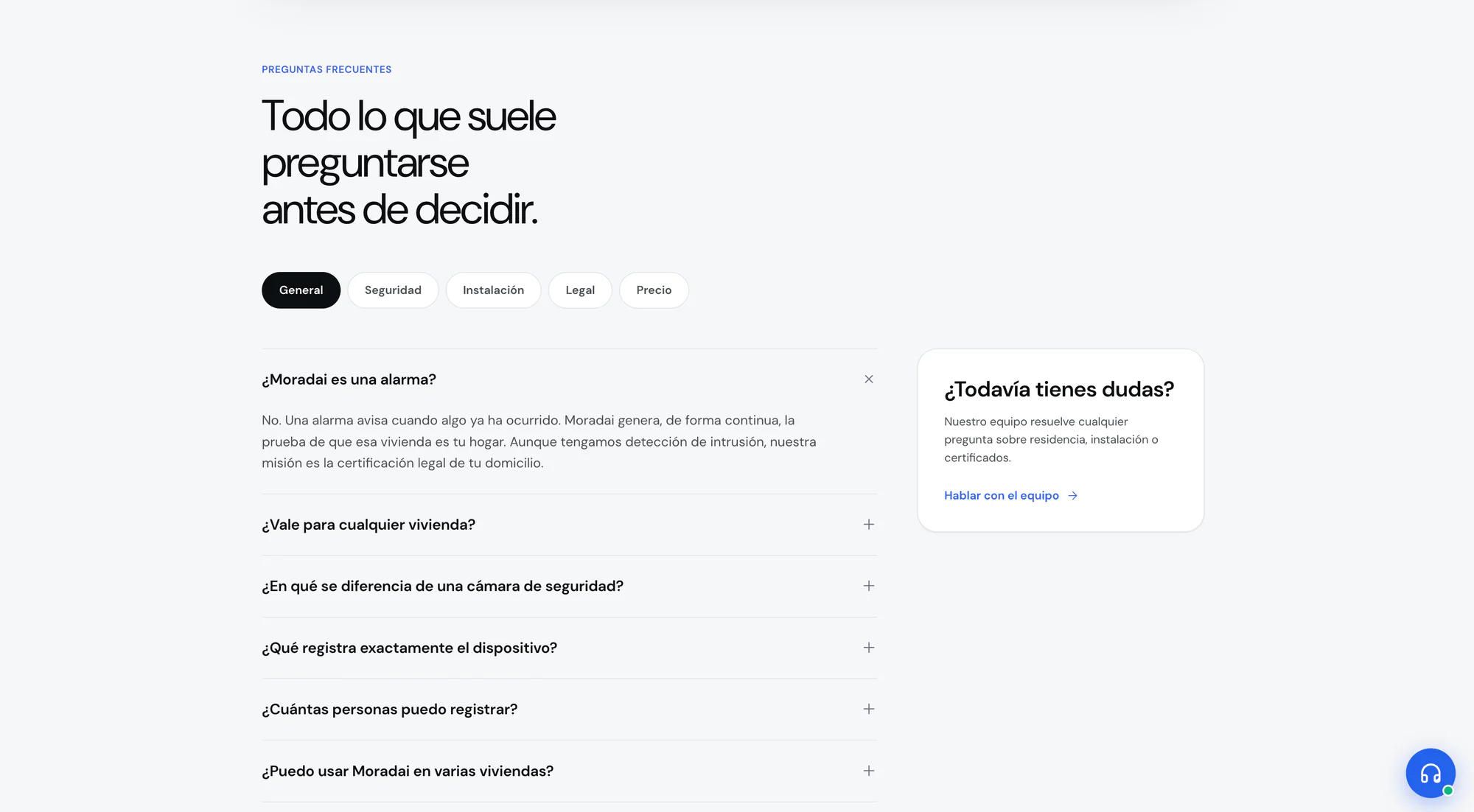
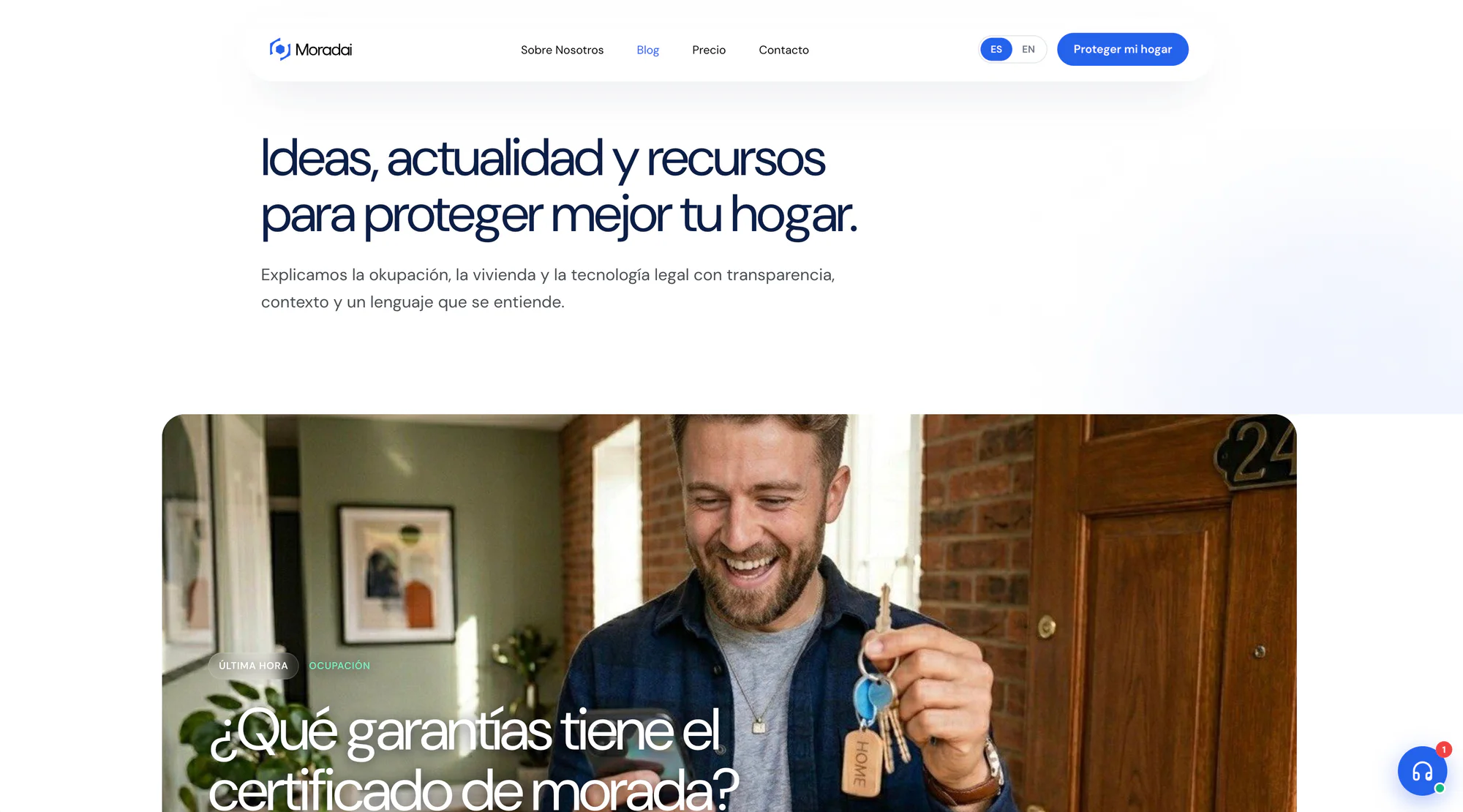
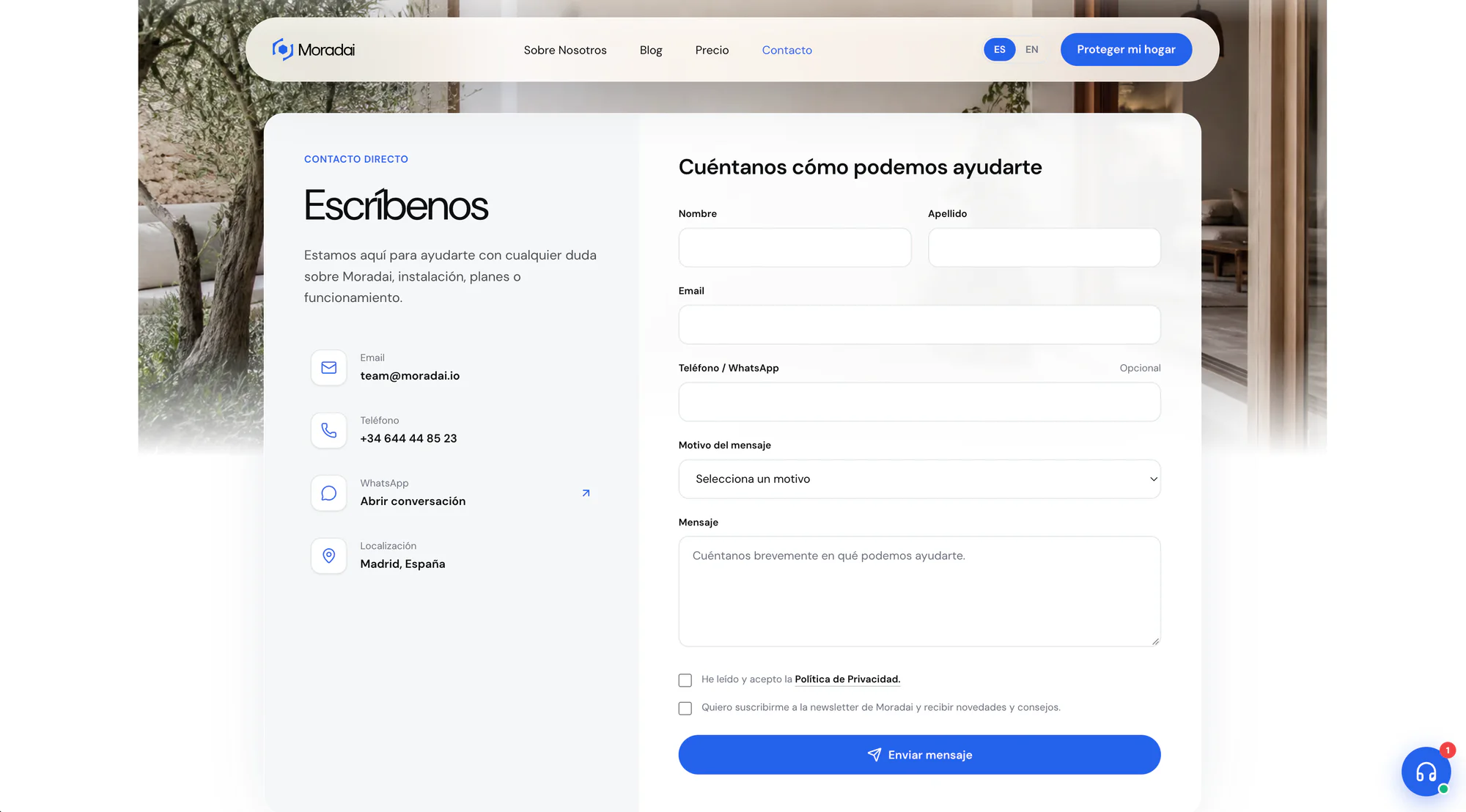
I defined the experience and used ChatGPT to prepare implementation prompts for Codex, which generated reusable React modules. Figma supported selected design decisions. The delivered website included home, about, blog and article pages, pricing, contact and the purchase flow.
- 01Design decisions
- 02Prompting
- 03React modules
- 04Repository
06 / 08Product experience
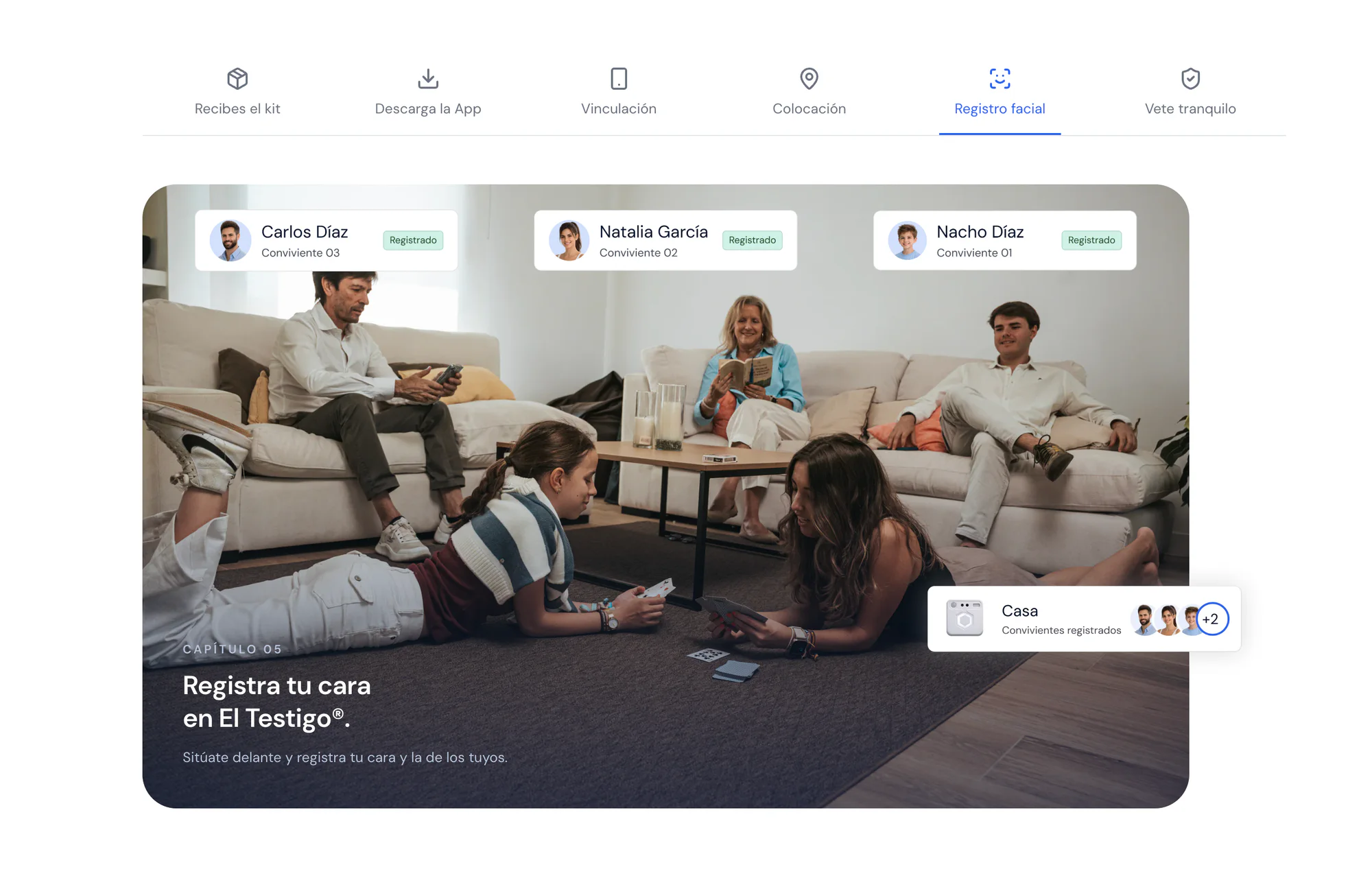
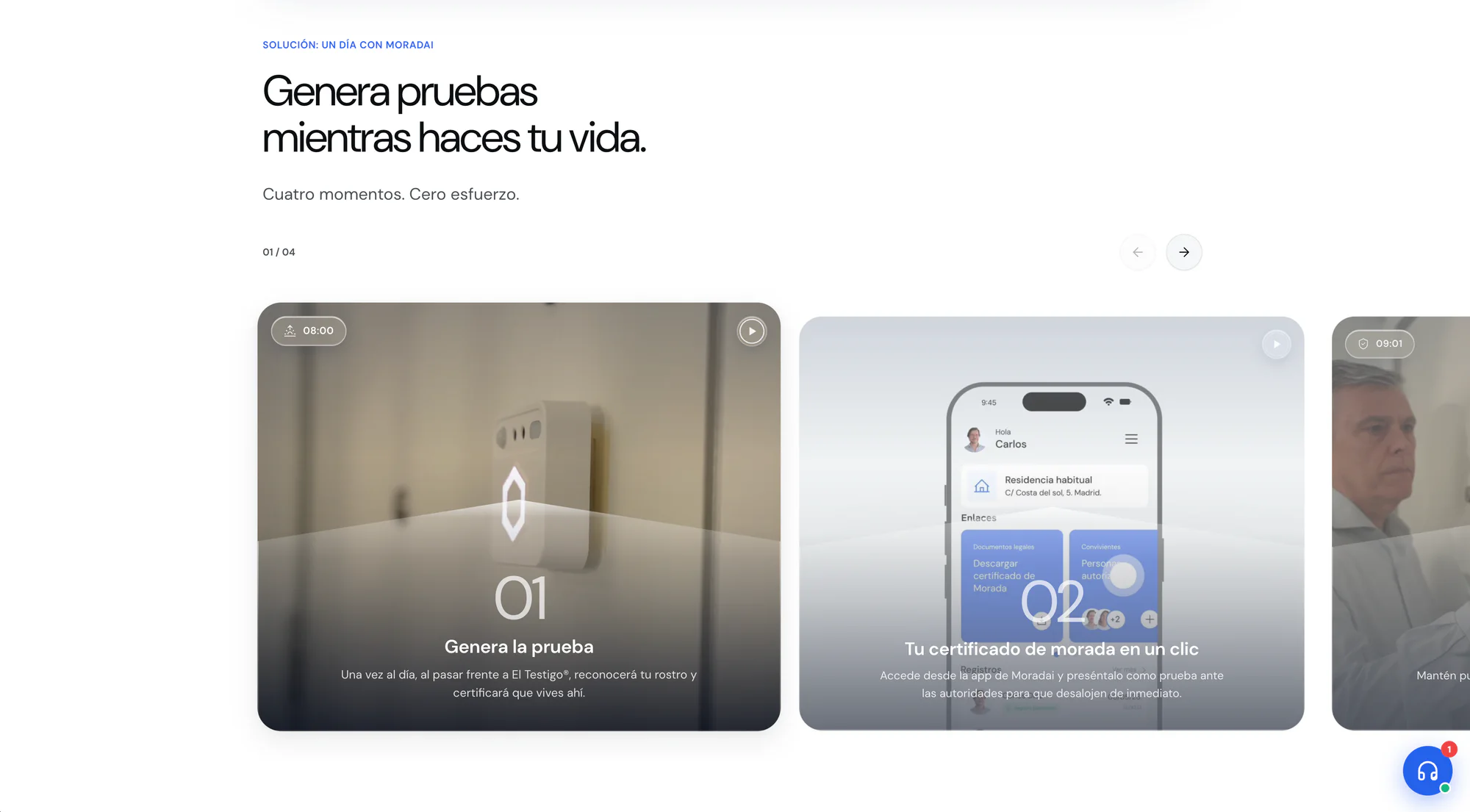
Explaining the product through the website
I designed how the website introduced the device and explained setup and everyday use. These sections connected product information with the offer and next steps. My scope was the website experience, not the hardware, mobile application or validation of the product’s legal claims.
07 / 08Checkout
A checkout interface with clear ownership boundaries
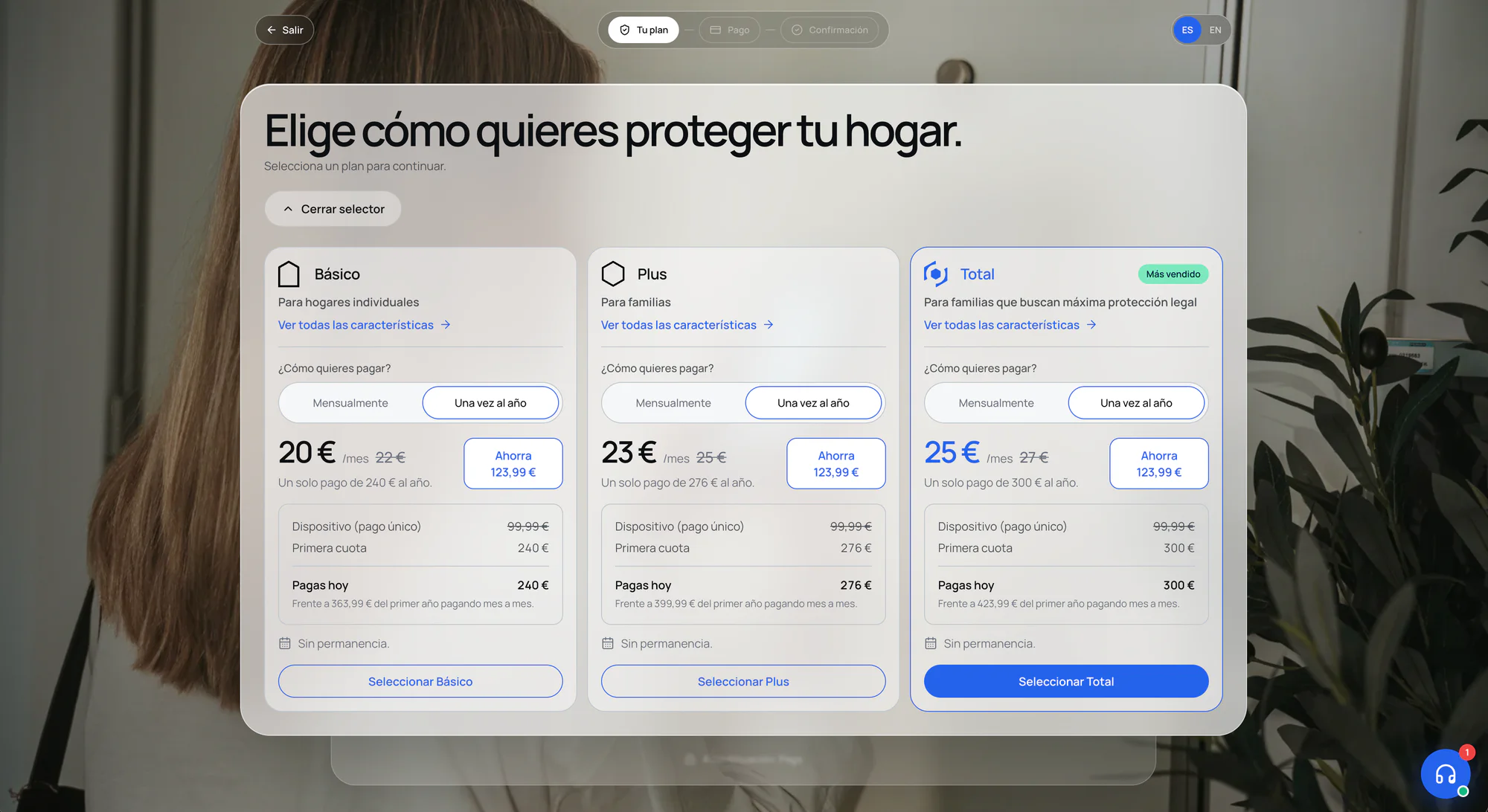
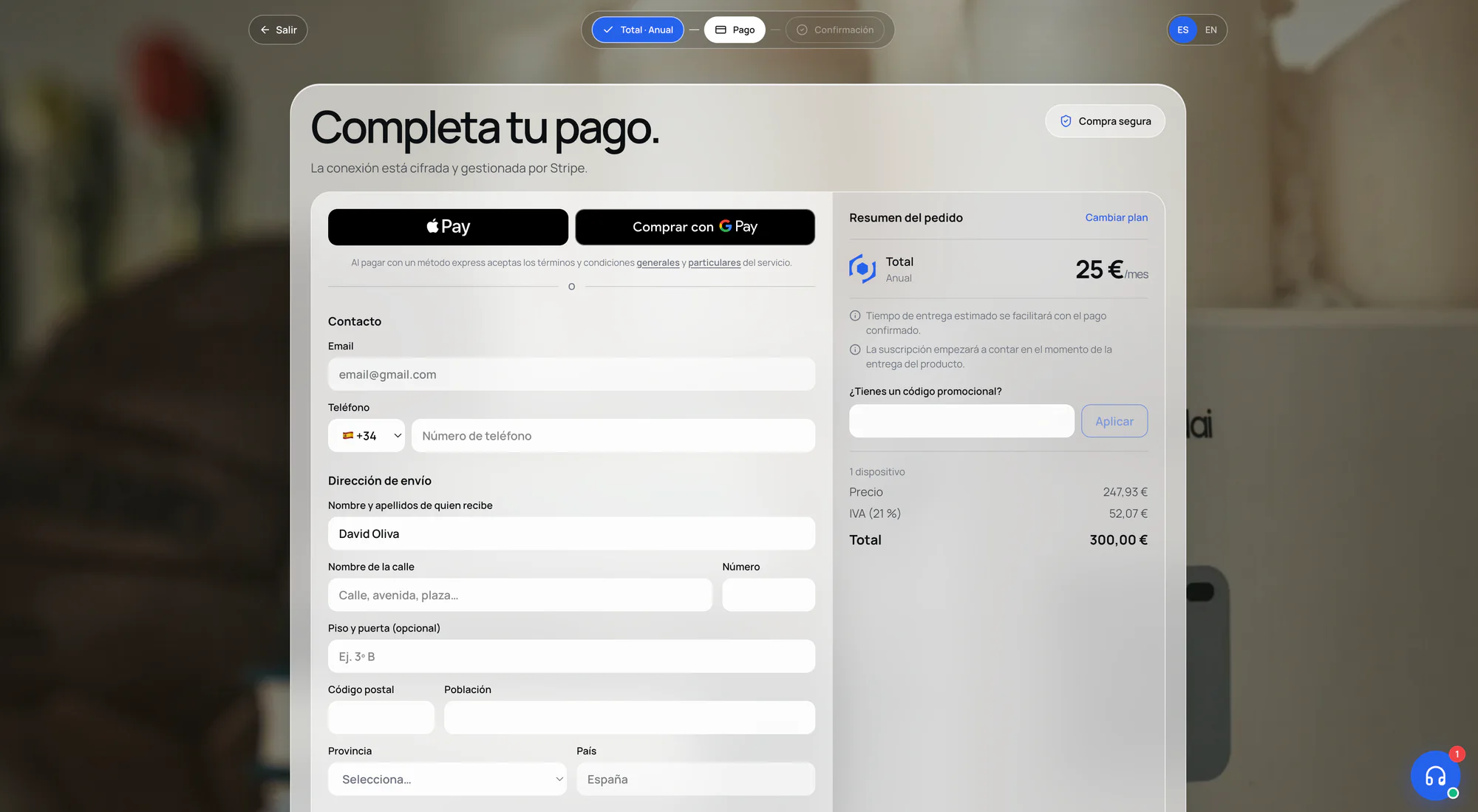
I built the plan-selection and checkout interface, including the components and container prepared for the payment module. The client’s development team integrated Stripe into that structure. My delivery covered the surrounding experience; the payment integration belonged to the client.
Stripe integration completed by the client’s team.

08 / 08Delivery & outcome
Delivery, publication and a codebase to continue
I delivered the website source code in a GitHub repository, organised in reusable React modules. The client’s team continued the work through GitLab, completed the Stripe integration and published the site. The handoff provided a codebase they could continue developing, rather than a design-only deliverable.
GitHub source repository delivered
Client continued through GitLab
Stripe completed by the client
Website published by the client